A local school server
A local server holds the learning library. Students and teachers access it over the school’s local network, without relying on an internet connection.
Digital learning resources for schools in Tanzania.
Available without internet or access to the electric grid.

Made possible with the support of
WHY MAKTABA EXISTS
Students across Tanzania sit the same national examinations. Yet some prepare with textbooks and digital resources, while others have little beyond classroom notes and a chalkboard.
Maktaba brings textbooks, past exam papers, video lessons, and science simulations into under-resourced schools—available without internet access or a connection to the electric grid.
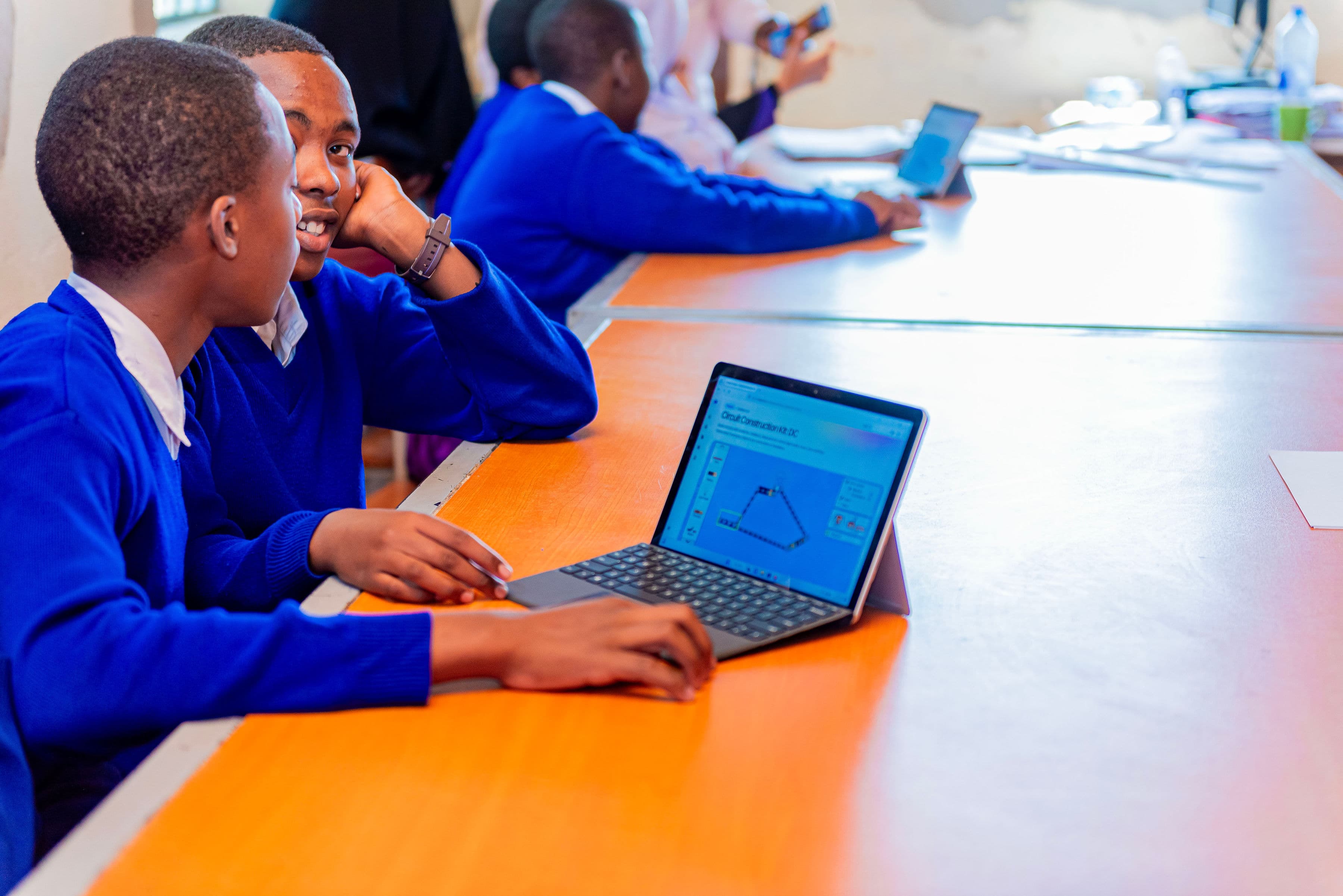
A local server holds the learning library. Students and teachers access it over the school’s local network, without relying on an internet connection.
NECTA past papers, digital textbooks, video lessons, and interactive science simulations give students more ways to study and prepare.
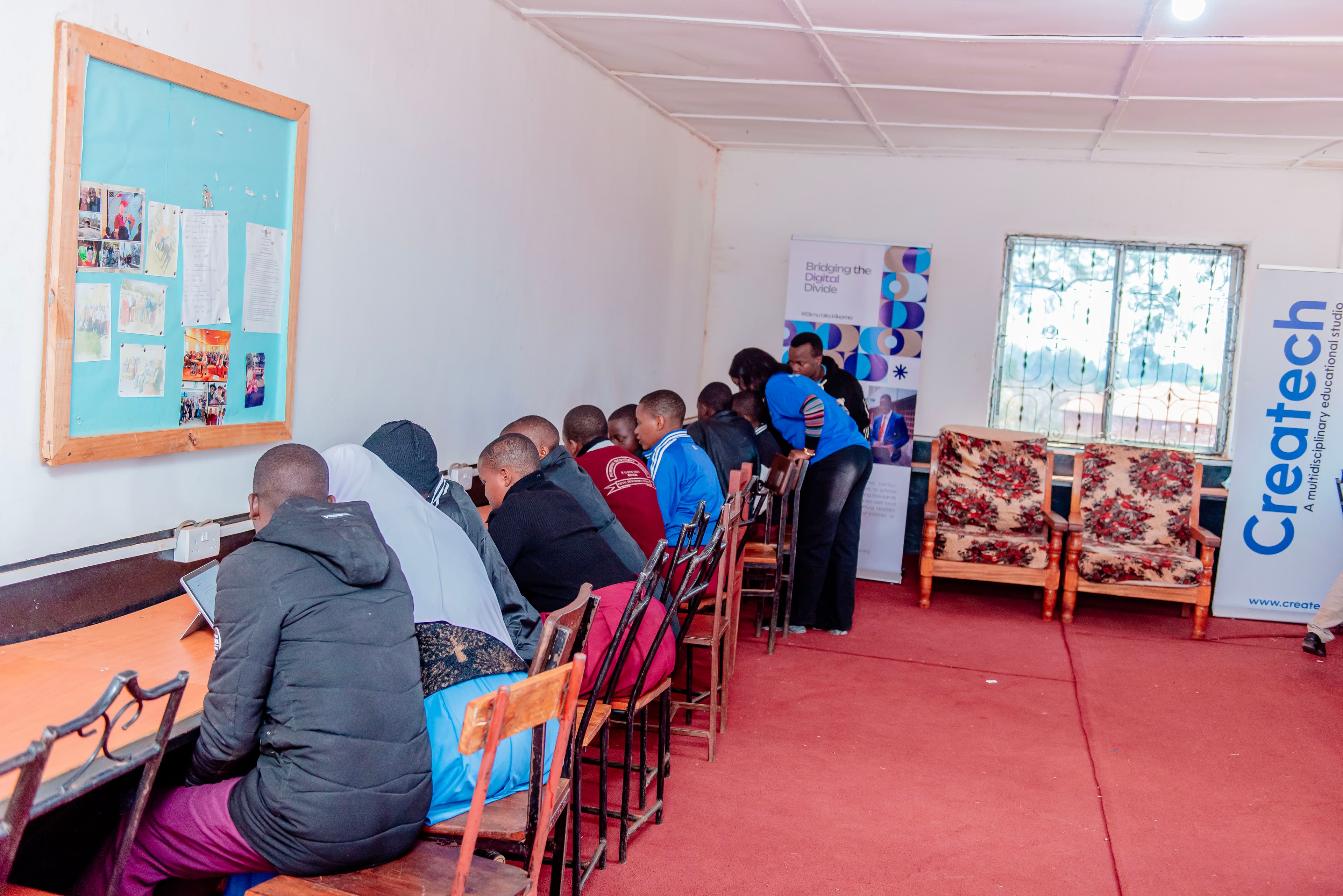
The team provides teacher training, introduces students to the learning materials, and offers technical support for the school’s system.
Maktaba’s first implementation brought local learning infrastructure, training, and support to three secondary schools in the Iringa region.
Not only the absence of conflict, but a fair chance to learn, to imagine, and to shape your own future.
The mission behind MaktabaFor school partnerships, questions about our work, or ways to support MAKTABA, get in touch.


